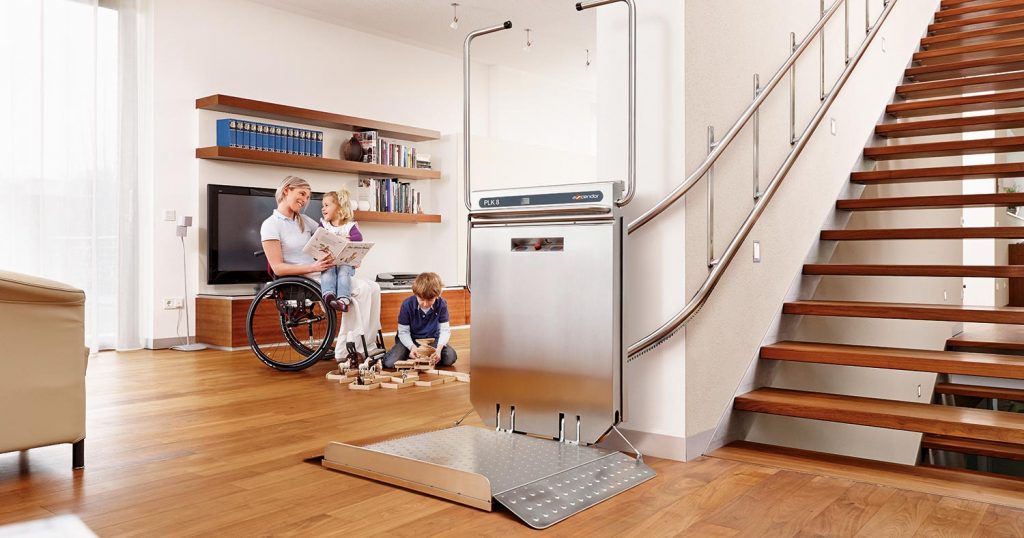
‘Wheelchair lift‘, ‘open platform lift’ or ‘low rise platform lift’ are all terms that describe the same basic product and its function: they all allow a wheelchair to be rolled onto a platform and carry the wheelchair and its passenger from one level to another.
Whether you require a wheelchair lift to help you move in and out of your home or about the home itself, seeking a lift to meet access compliance regulations, or seeking improved access to your business or organisation, there are now a great range of options available. People in wheelchairs can move in and out of buildings as well as accessing different levels once inside a building. Both residential (in home use) and commercial applications are available.
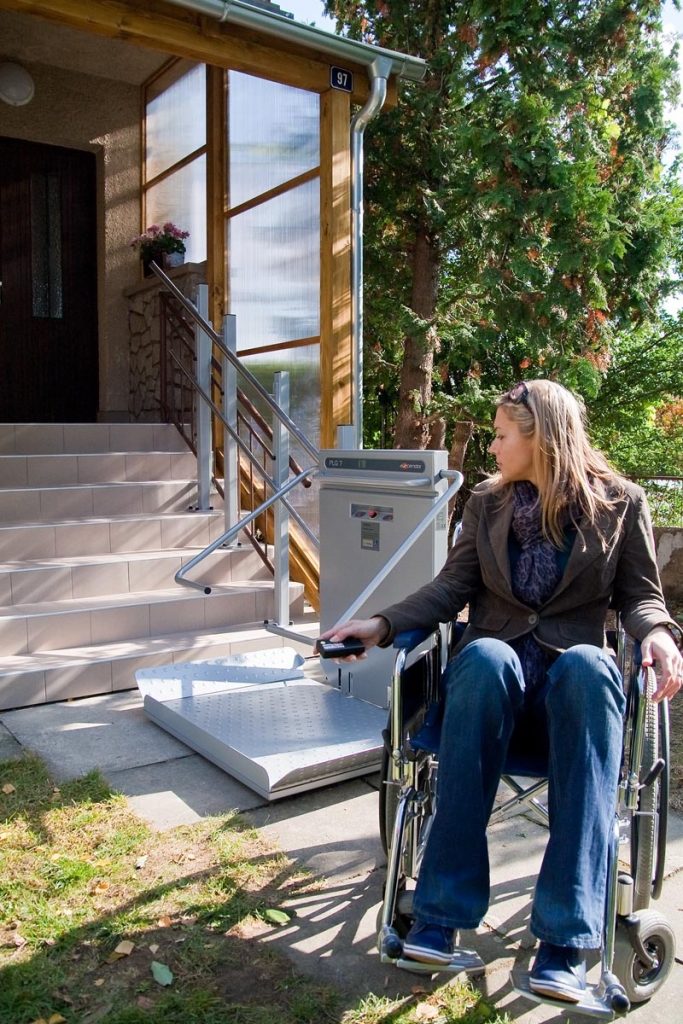
A wheelchair lift or platform lift is broadly defined as a standalone unit that provides access to a location where the installation of an elevator is either impossible or impractical. The platform lift helps overcome height barriers such as stairs, verandas and stages. Wheelchair lifts are available as a permanent installation or as a portable option, whereas a platform option is always a permanent installation.
There are two types of platform lift: Vertical Platform Lift (VPL) and Inclined Platform Lift (IPL). The VPL travels up and down, while the IPL travels diagonally moving across a barrier such as stairs.
The IPL travels along a rail generally installed on a staircase or an adjacent wall. The IPL also has the benefit of being able to be folded up when not in use, saving space and allowing others to use the stairway.
Both types of platform lift allow the travel of a person in a wheelchair or other mobility aid such as a scooter or walker. The VPL is more commonly installed and simple moves up and down from a fixed position.
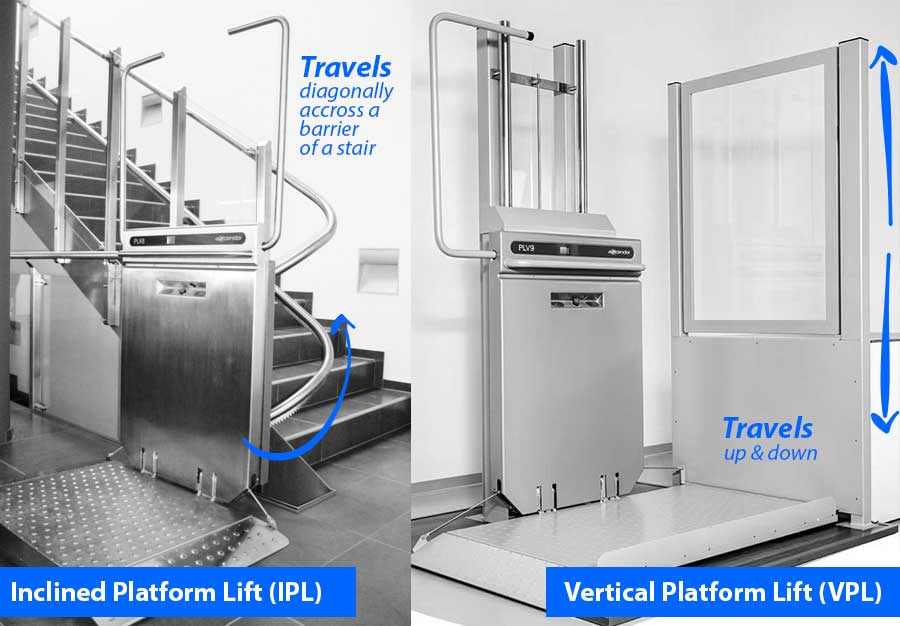
Inclined Platform Lift (IPL)
Vertical Platform Lift (VPL)
All wheelchair lifts have either an ‘under platform safety pan’ or obstruction sensors mounted on all sides. The purpose of the pan and the safety sensors is to operate as an emergency stop if there is an object underneath the lift.
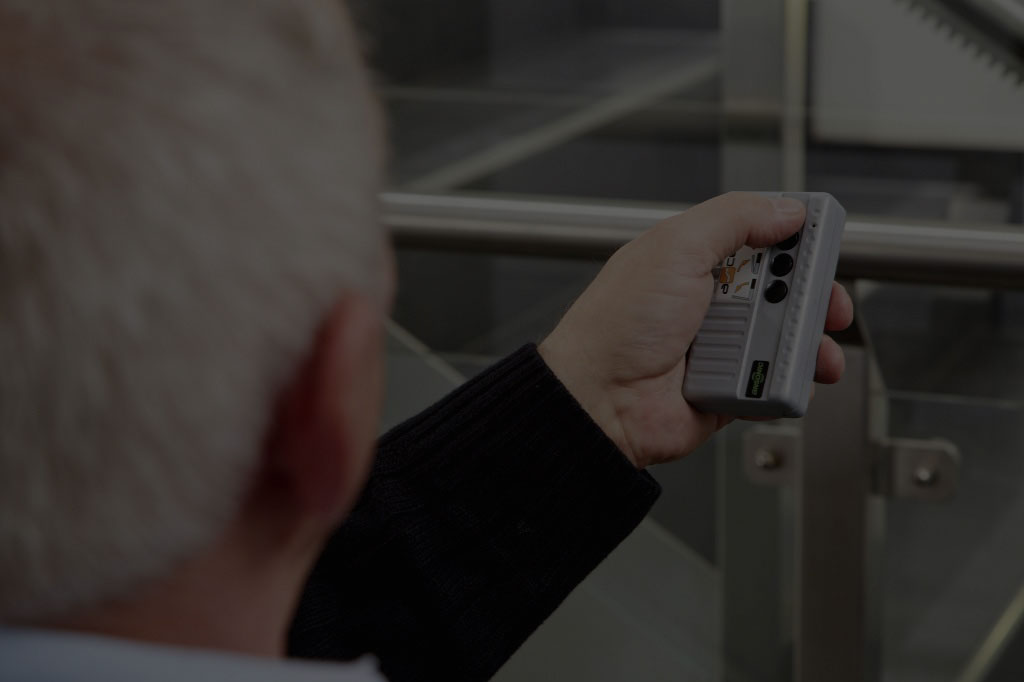
Lifts should be easy to use and the controls able to be managed by the occupant. Some platform models have easy to use buttons with a separate emergency button. Other models feature ‘constant pressure operating switches’ where the passenger can operate the lift easily by holding down the switch or button. Removing the pressure will automatically stop the lift eliminating the need to look for and press a separate emergency button. Most platform lifts will have battery back up power in case of a power cut as well as a means of lowering the lift.
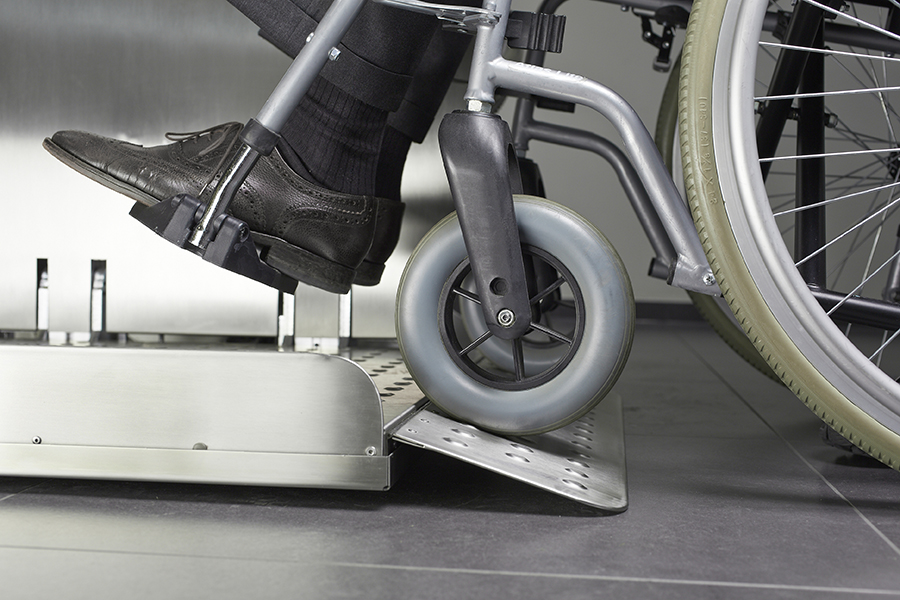
Vertical platform lifts can be installed with or without a pit. The pit allows room for the ‘under platform safety pan’. Alternatively a small ramp can be installed to allow the wheelchair to travel from the existing floor level onto the platform. There is usually a metal plate installed at the top of the lift for easy access into and out of the lift.
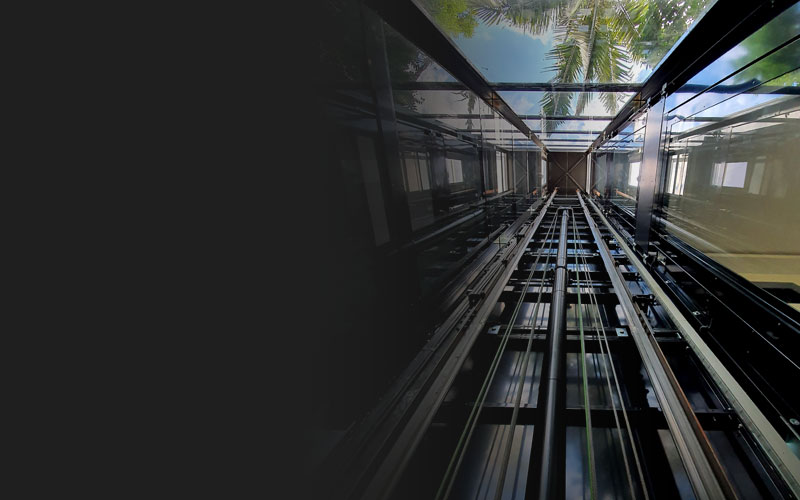
Some models or installations owing to compliance requirements may need to be enclosed or in a shaftway. The enclosure is commonly made of steel or aluminium with Plexiglas or laminated panels and has doors at the bottom and top of the lift. Shaftways are more commonly used with indoor installations such as the Flex-e. This style of lift has low space requirements and provides a high level of security as well as a contemporary, clear easy to use control panel and a soft start/stop.
Wheelchair lifts or platform lifts can also be installed outdoors where weather proofing of electrical components as well as the drive system and platform protect the unit from the elements. The Ascendor by Lifttechnik is a straight or curved inclined platform lift that will travel both internal and external staircases.
Key Considerations for Choosing the Right Wheelchair Lift
- Firstly will the wheelchair lift be internal or external? If external is there the option to install it inside a garage or a sheltered area? Remember that you need to be able to allow room for the lift as well as access on and off the lift.
- Also, where will the lift be placed? If it is a vertical platform lift it is easier to secure the tower (the structure which the platform moves up and down) against a wall or floor joist.
- If an inclined platform lift is installed does anyone else need to access the stairs?
- Do you need a sidewalk access to the lift?
- What lift capacity is required to meet possible user demand eg private home/limited user or a public facility. With a wide variety of users it is recommended that you choose the maximum capacity.
Key things to remember about a wheelchair lift is that they are generally designed:
- To only carry one person at a time (always take note of the weight rating)
- For limited use for example 5 to 15 times per day
- With limited load weight and height rise
There are other lifts that can carry more than one person and greater weights. Contact Direct Lifts on 1300 034 011 to discuss what other options may suit your specific needs.
Finally, remember it is important to have your lift serviced regularly to ensure its smooth and reliable operation for many years.
Book an appointment @ 1300 134 011

A man who knows his way around the world of mobility. He has been in this industry for decades and has seen it all!
He started his career in Brisbane with mobility scooters, and progressed to stairlifts, and ultimately platform lifts. He gained a newfound interest in elevators while working in the lift industry and took advantage of the opportunity to work in both residential and commercial lifts. He is now the official distributor of Nova Elevators Italy, Cibes, Ascendor, Otolift & ThyssenKrupp products in Australia. Offices and showrooms expanded in Brisbane, Sydney & Coffs Harbour while establishing partnerships in major cities such as Melbourne, Northern Territory.
He is a current member of the Lift Engineer’s Society of Australia (LESA), providing advice regarding lift standards, their implementation, good industry practices and compliance with applicable AS standards, guidelines, and codes

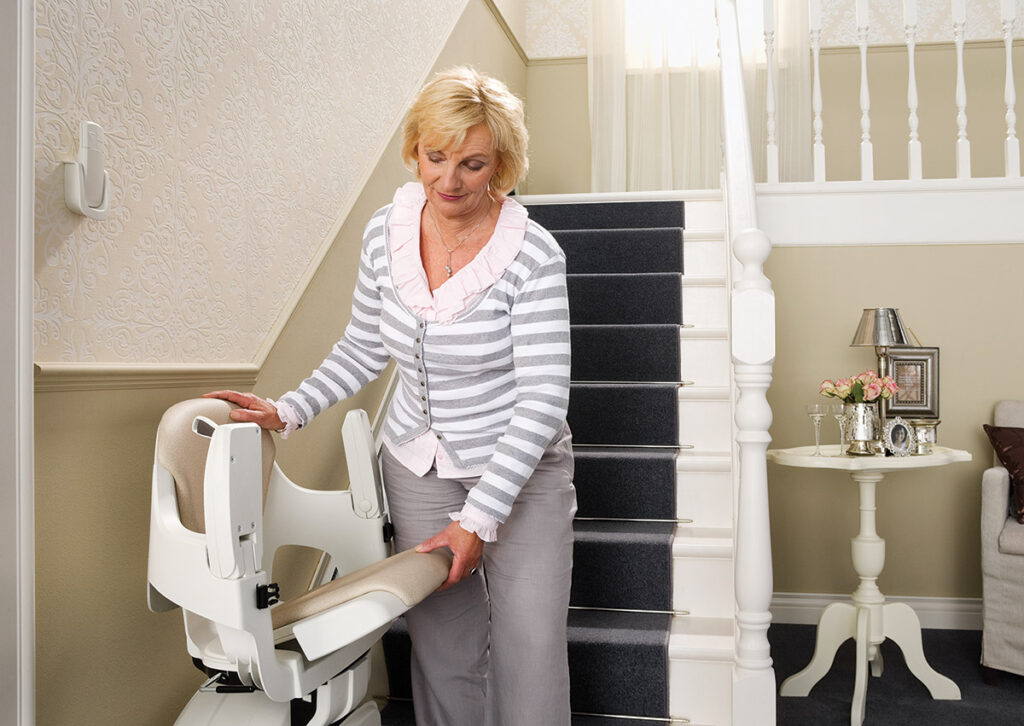
Choosing the Right Stairlift – Refurbished Models in Australia
For many individuals, the cost of stairlifts in Sydney and other areas of Australia is a significant concern.
It can be challenging to get an accurate estimate without visiting local stairlift suppliers.
Stairlifts are an excellent alternative for individuals with mobility difficulties who need to ascend and descend stairs regularly.
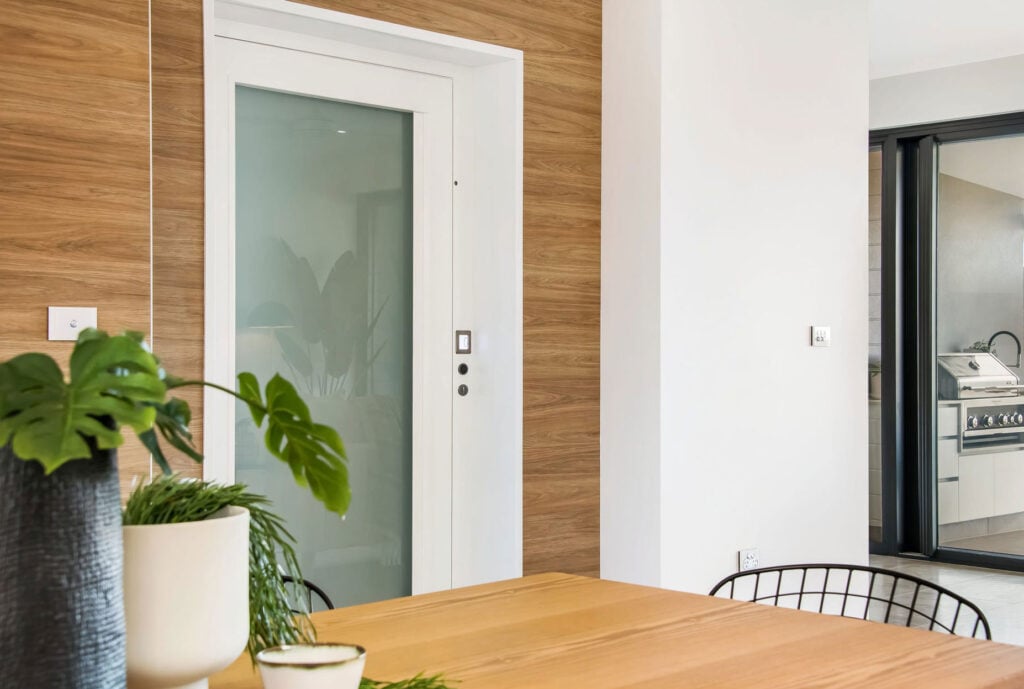
Residential Lifts Australia
A residential lift is a great way to add value to your home. It’s also a convenient way to get around, especially if you live in a multi-story home.
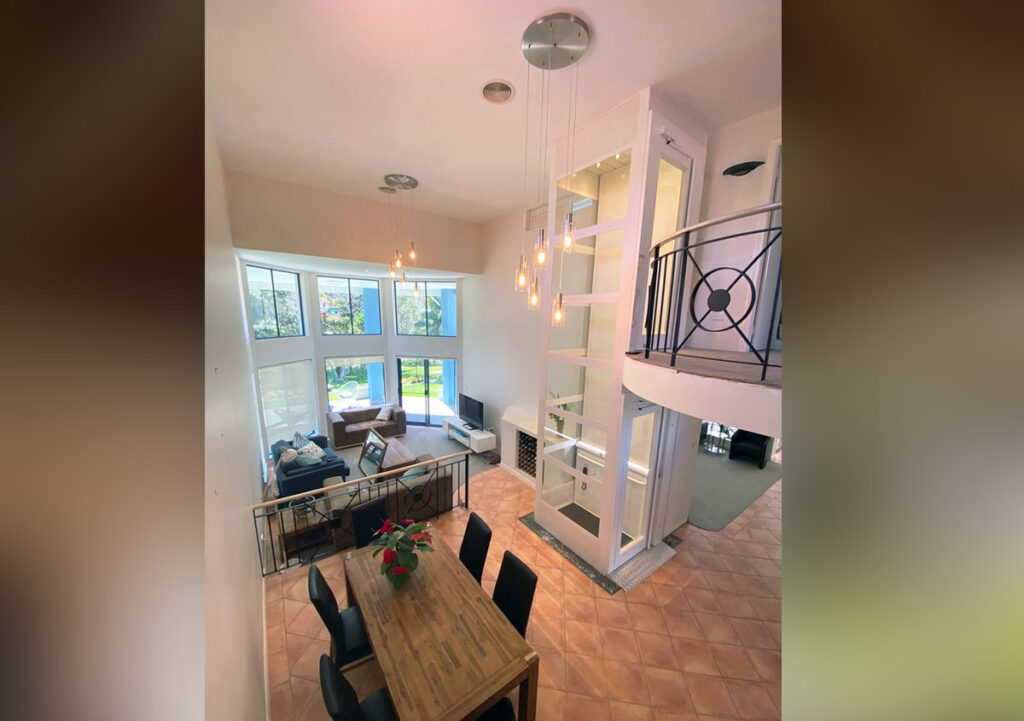
Domestic Lift: How to Choose the Right Domestic Lift for Your Home
Table of Contents What Are Domestic Lifts, and Why Would I Need It? There are two main types of domestic lifts Why Should You Install Domestic Lift? Which do you prefer: A domestic lift or the traditional elevator? How Does a Domestic Lift Work? How Do I Choose the Right Domestic Lift for My Home?
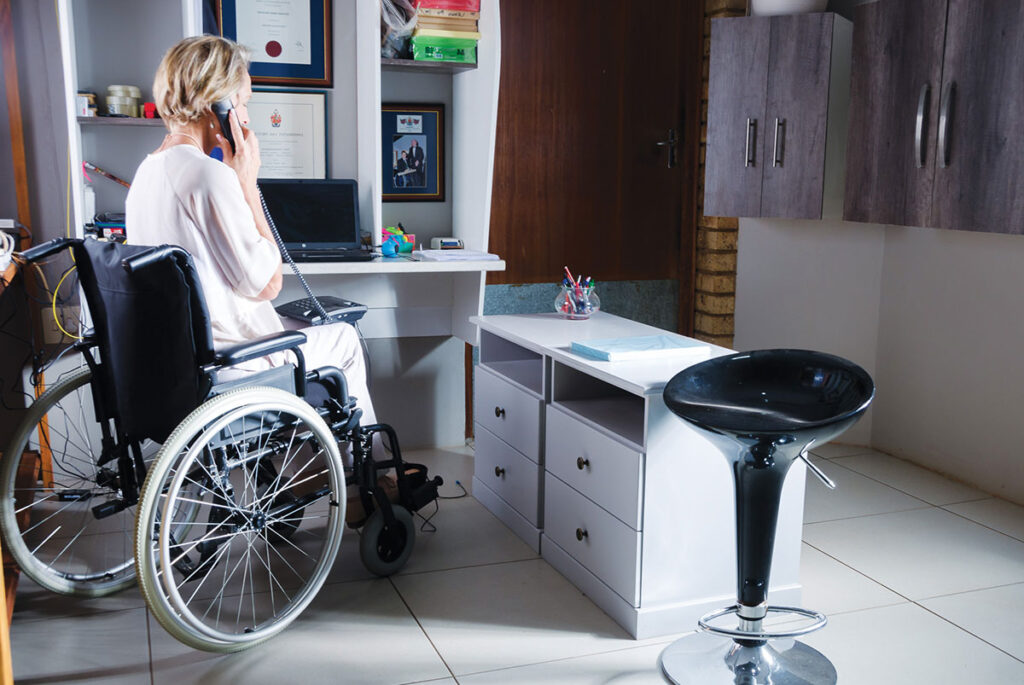
Wheelchair Platform Lift Costs in Australia
Today, many people who have trouble getting around opt for a platform wheelchair lift to assist with accessing different areas of their homes or businesses. Platform wheelchair lifts are manufactured in several sizes and configurations, so it is critical that you consider your needs before selecting the right equipment. You will also need to think about
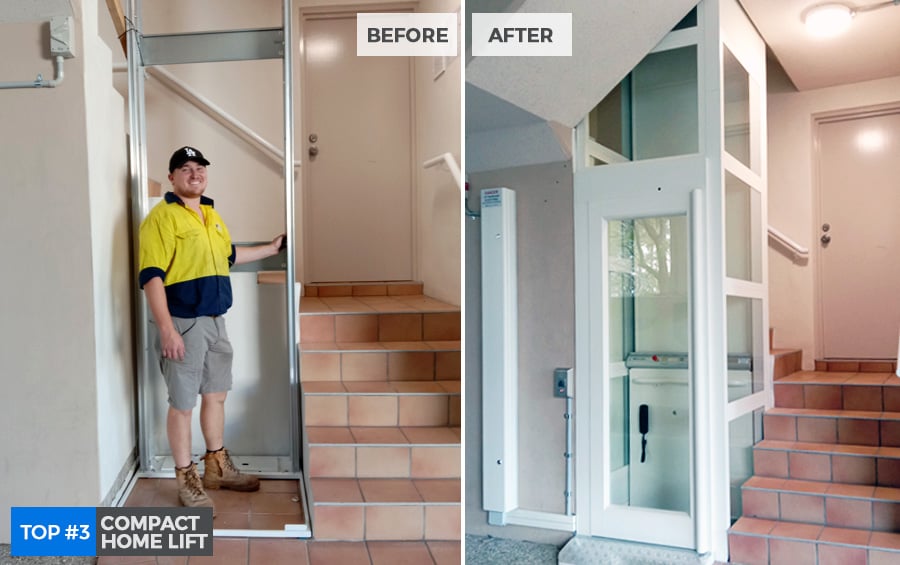
Compact home lifts price
It can be challenging to manoeuvre around when living in a small space, especially when you need to get up and down the stairs. Luckily, many compact home lifts will help make things easier for seniors and those with mobility issues or people living in smaller-sized houses. We've compiled a list of reasonable alternatives for
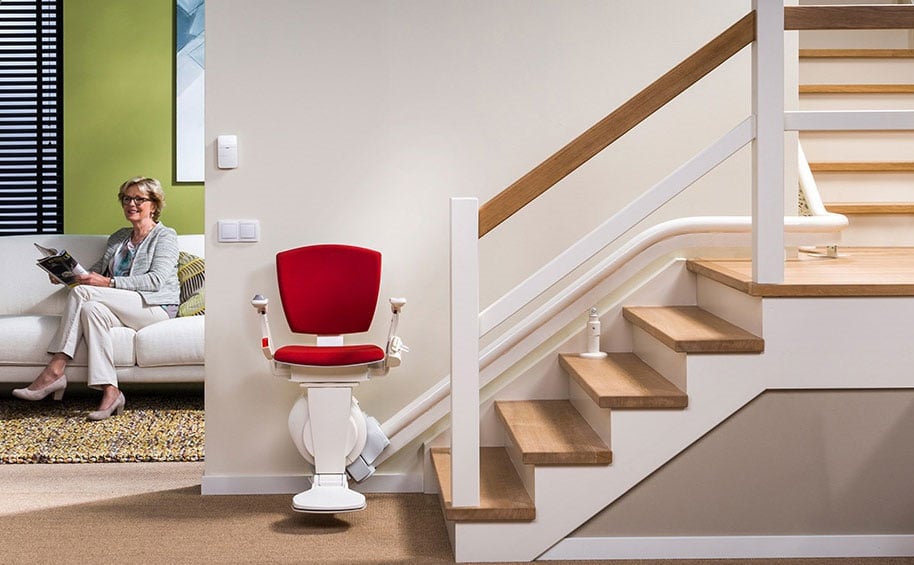
Stairlift Price Guide Australia (August 2024)
For many individuals, the cost of stairlifts in Sydney and other areas of Australia is a significant concern.
It can be challenging to get an accurate estimate without visiting local stairlift suppliers.
Stairlifts are an excellent alternative for individuals with mobility difficulties who need to ascend and descend stairs regularly.
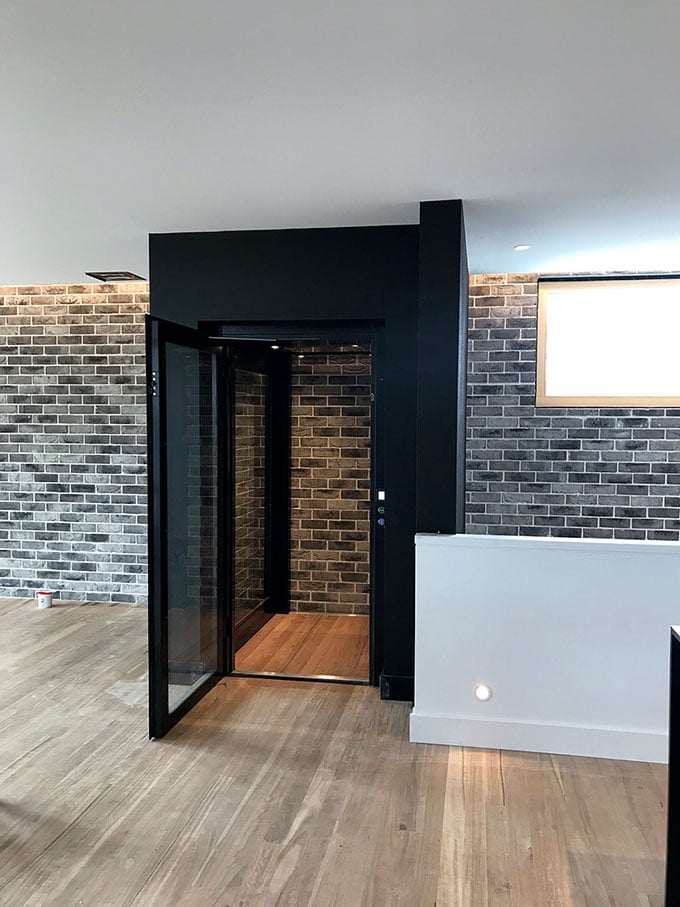
Home Lift Prices in Australia ( Updated August 2024)
A home elevator or also known as a home lift is a great long-term investment that allows you to access all rooms without encountering stairs. But what’s the cost of such an item?
Whether it be for luxury or practical purposes, there are many different types and prices available when looking into buying your own lift.
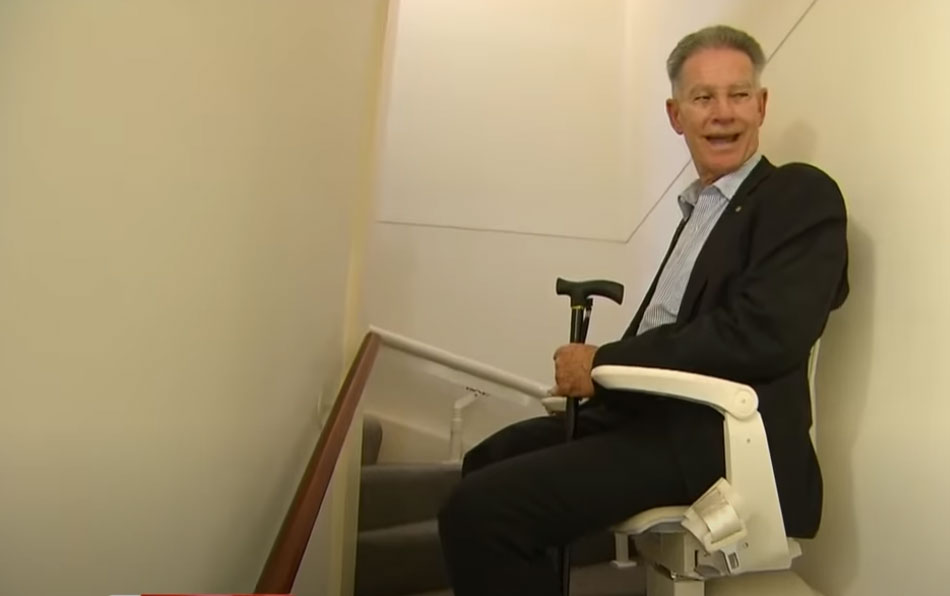
Current Affairs Stairlift
And with a two-storied house, Howard had given up hope in leading a normal life again! He struggled to get up and down the stairs, and in his words, said, “a one-legged man doesn’t belong in a two-storied house.”
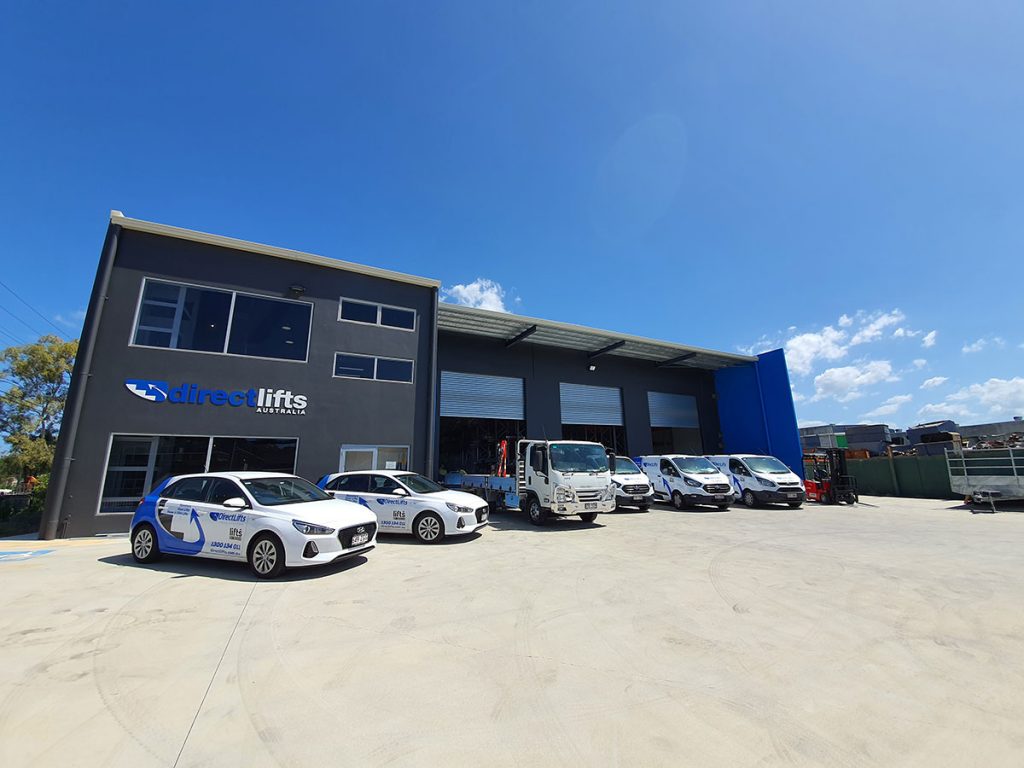
Direct Lifts Queensland Headquarters
We are excited to announce that our new headquarter is officially open in Brisbane! This new location will allow us to service more customers in a timely manner and be able to showcase the demo home & commercial lifts, wheelchair lifts, and stairlifts available in the showroom. We hope you stop by so we can show you around and offer you some of our best services.

The Difference Between Gearless & Hydraulic Drive System
As per Australian AS1735 standards and NCC E3.6 all lifts ( home lifts, commercial lift, wheelchair lifts and platform lifts) except Stairway lifts require an active emergency phone that is able to be answered by a help centre 24/7.