General Overview of Commercial Lifts
Commercial lifts have become an essential component in modern buildings, ensuring accessibility and efficiency for both staff and customers. These lifts are designed to accommodate heavy loads and high traffic, making them ideal for commercial environments such as offices, retail stores, and public facilities. In addition to facilitating movement, commercial lifts can significantly enhance the value of a property, contributing to a more dynamic user experience.
The variety of commercial lift options available are tailored to meet specific needs, including DDA compliance, which ensures accessibility for individuals with disabilities. Features such as advanced safety mechanisms, energy efficiency, and customizable designs make commercial lifts a popular choice for businesses. Opting for a high-quality commercial lift can demonstrate a commitment to inclusivity, enhancing the overall reputation of a business.
Benefits of DDA Compliant Lifts
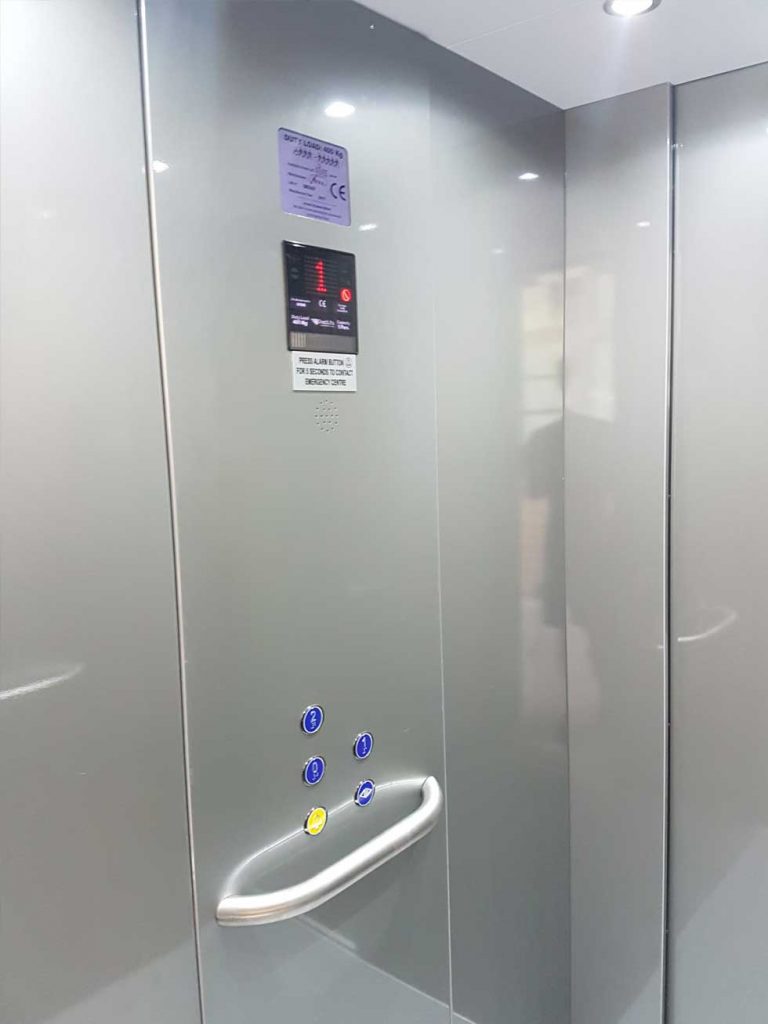
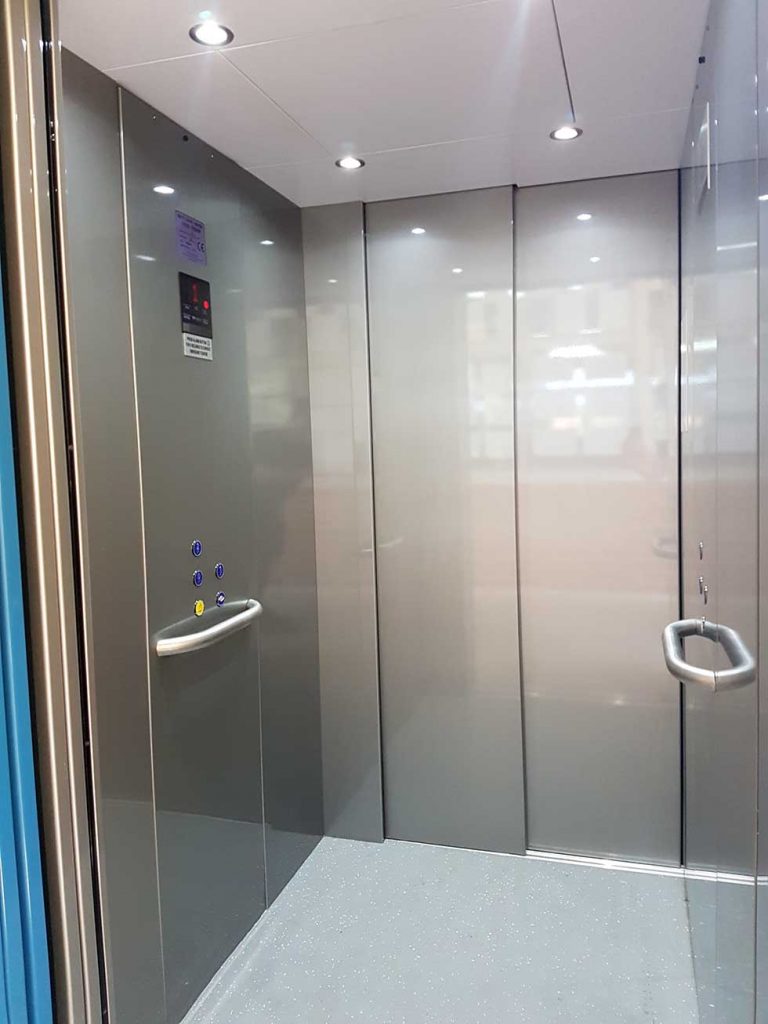
DDA compliant lifts are designed to adhere to regulations that ensure accessibility for all individuals, including those with mobility impairments. These lifts typically include features such as wider doors, lower control panels, and tactile buttons, making them easy to use for everyone. By incorporating DDA compliant lifts, businesses not only meet legal obligations but also promote inclusivity and diversity in the workplace.
Exploring Popular DDA Lift Projects
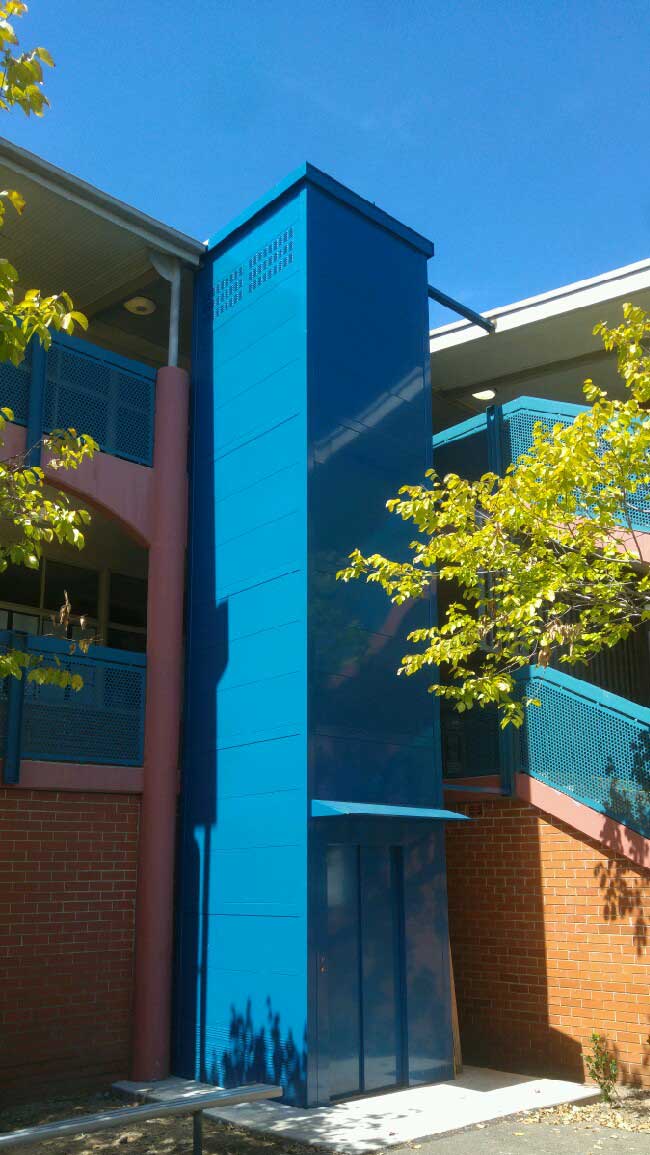
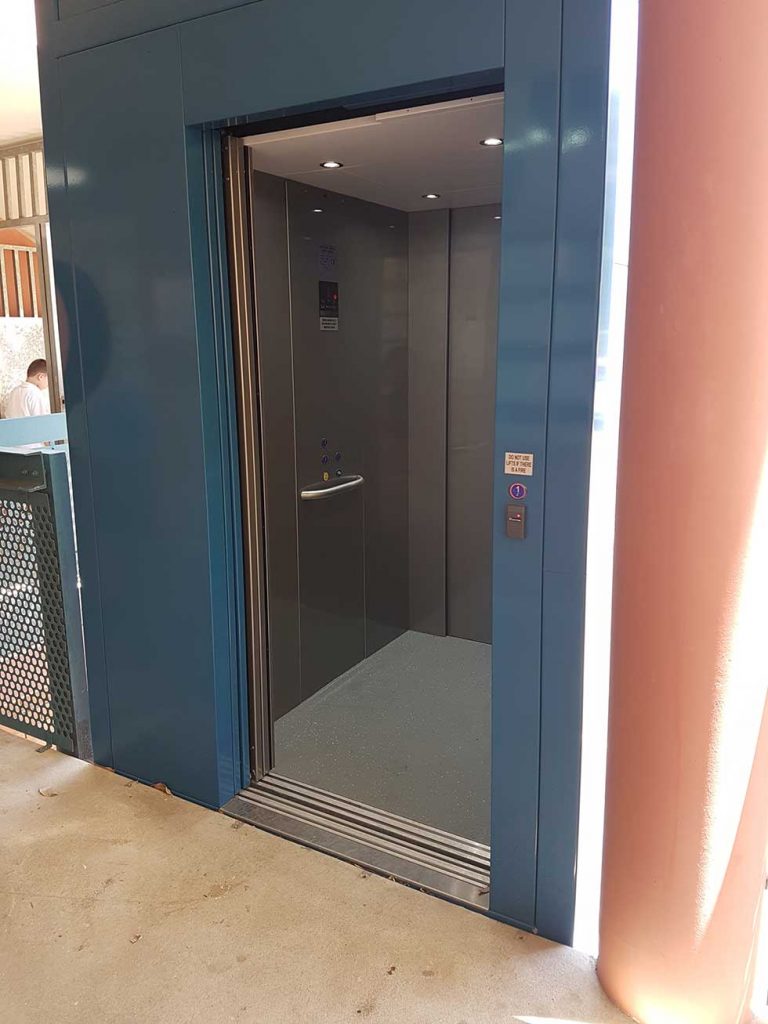
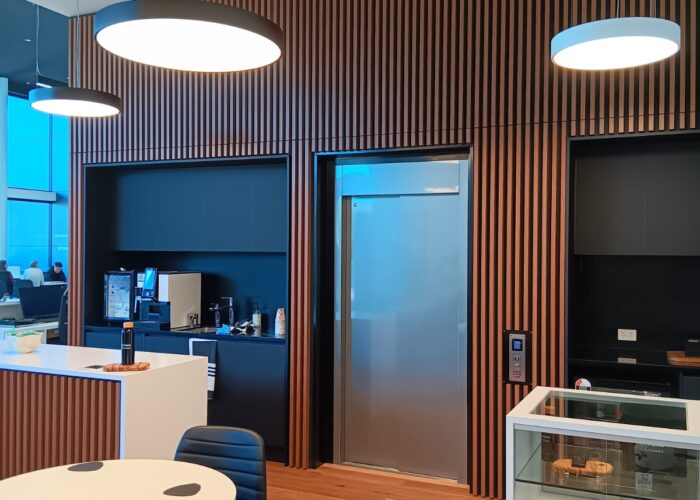
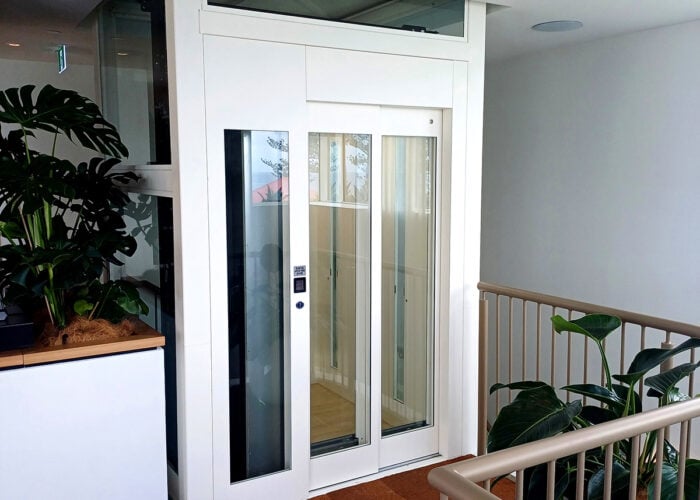
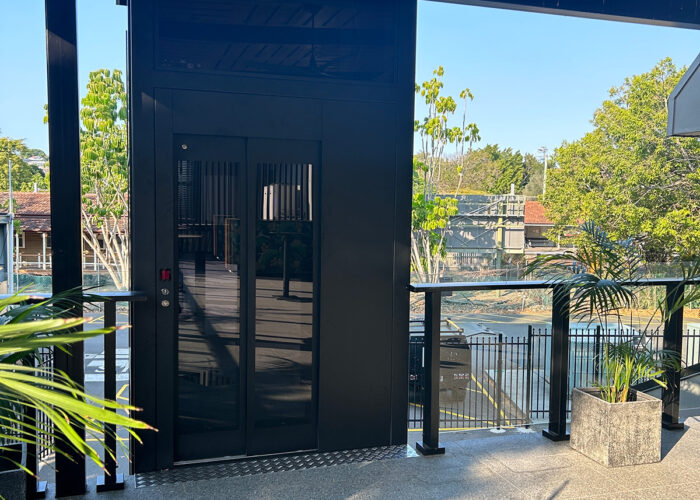
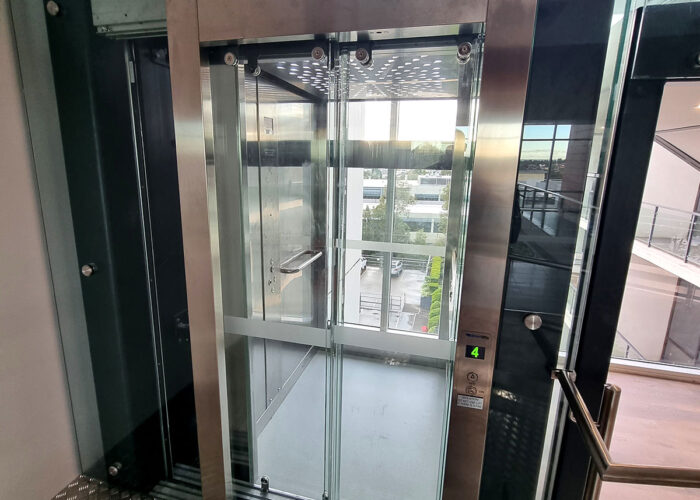
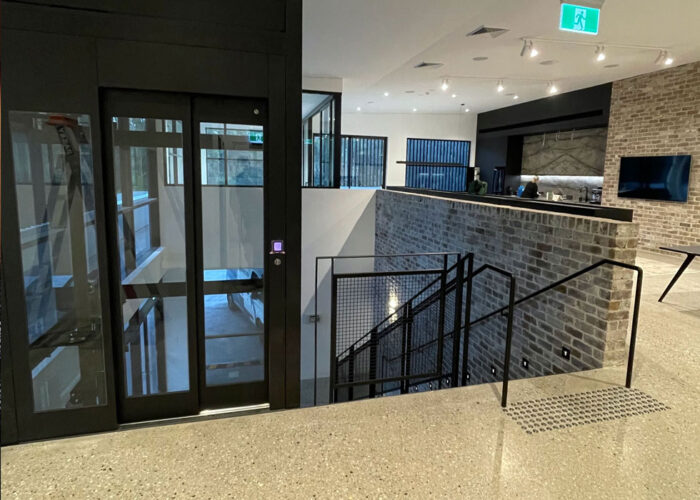
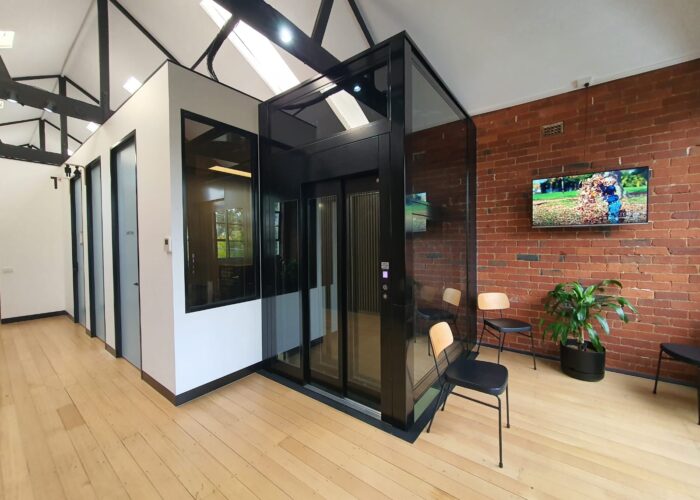
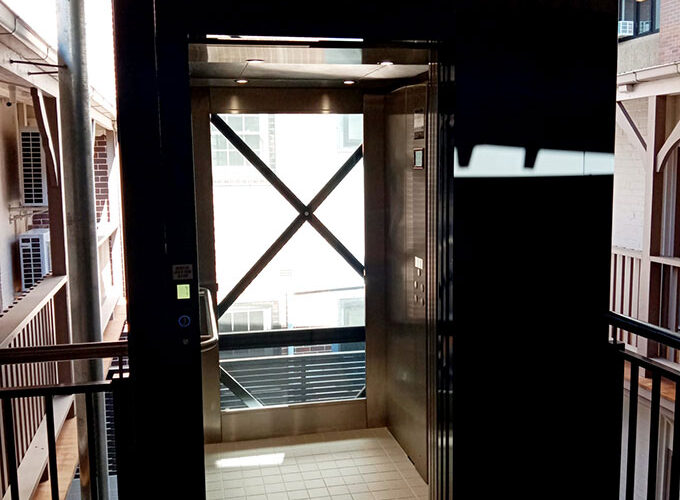
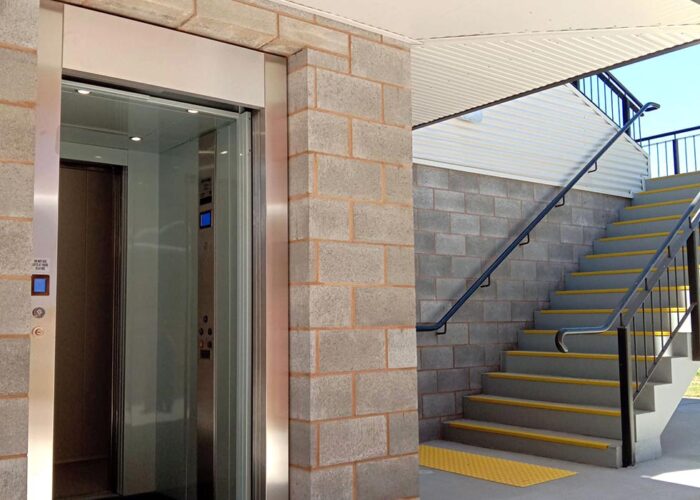
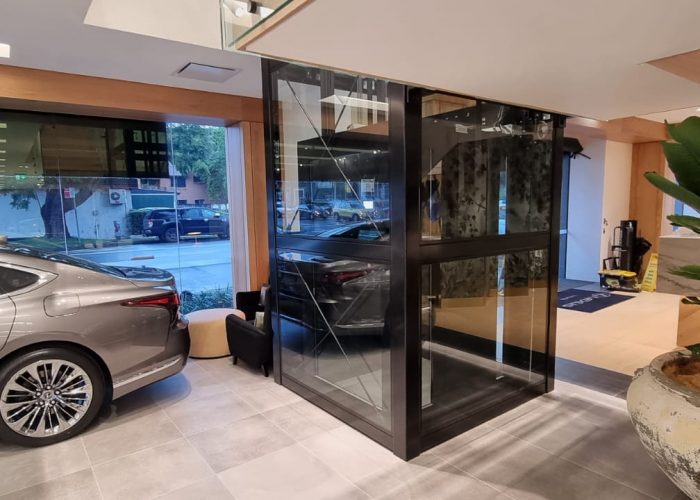
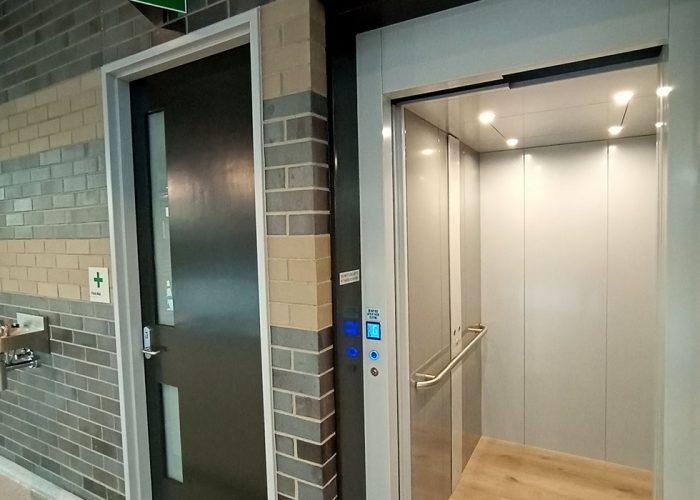
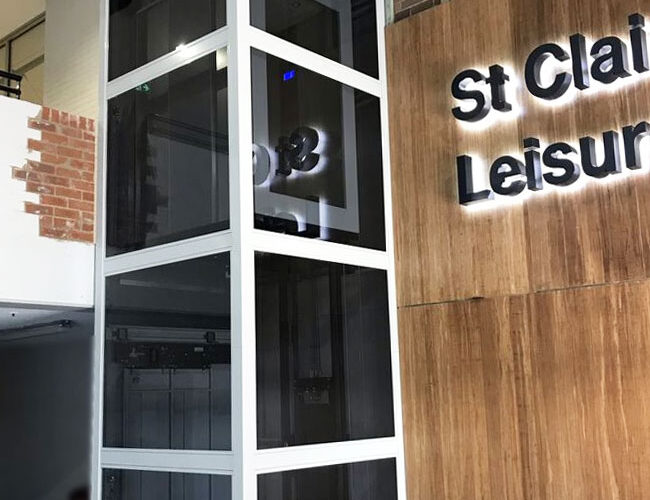
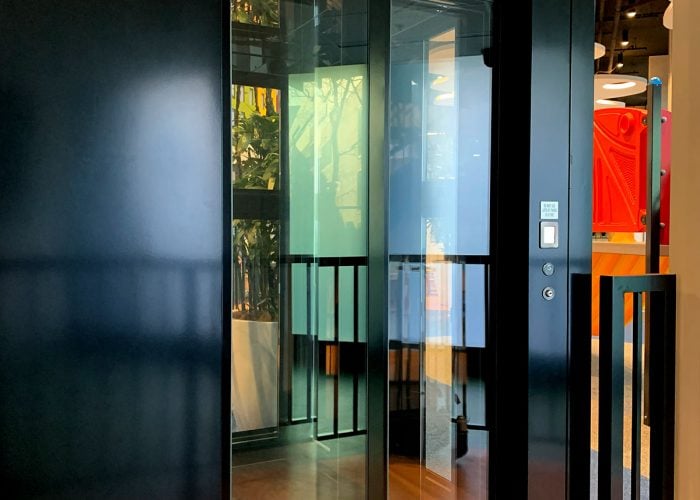
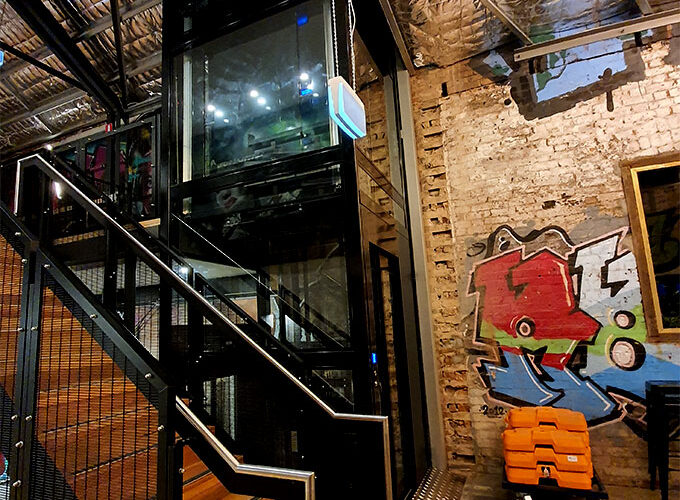
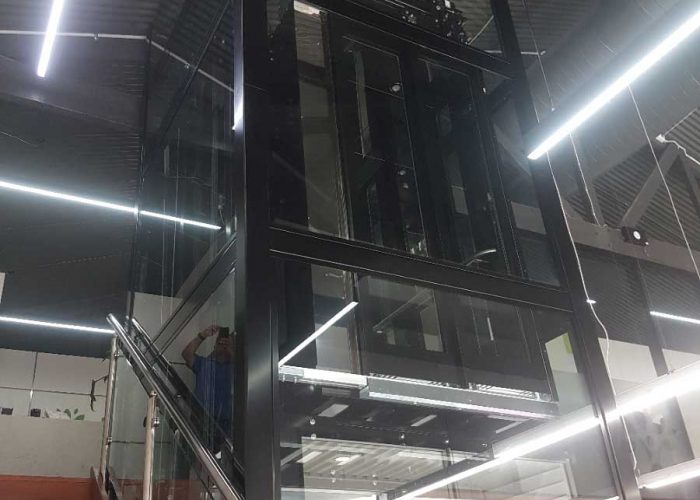
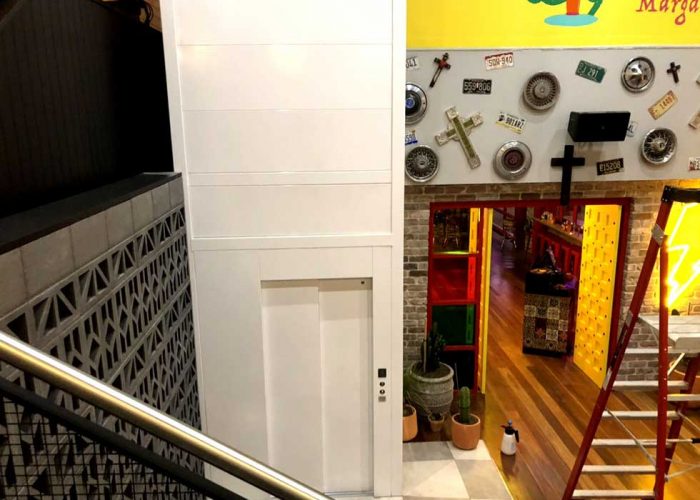
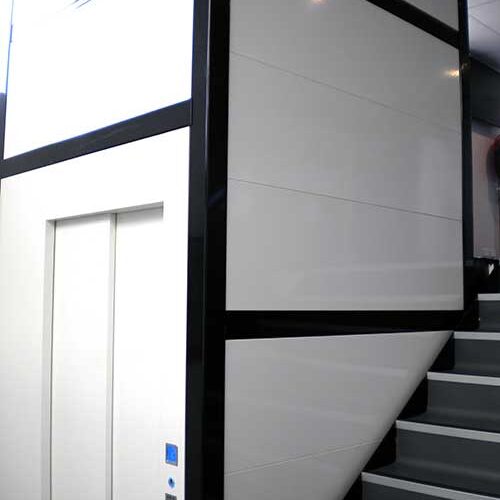
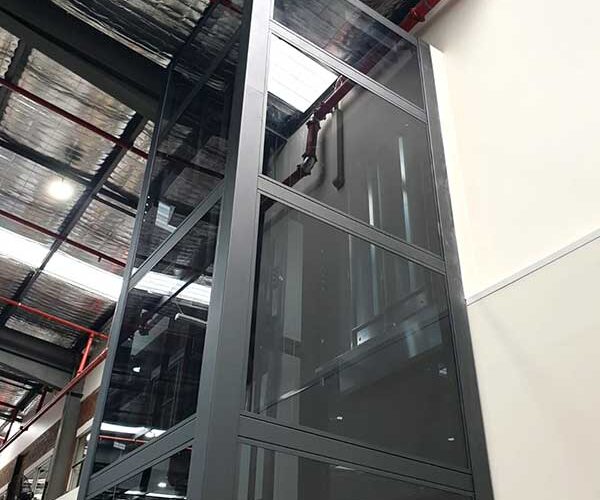
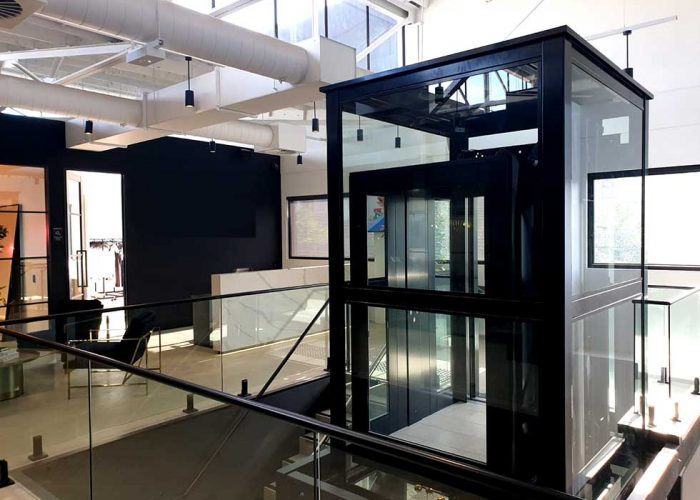
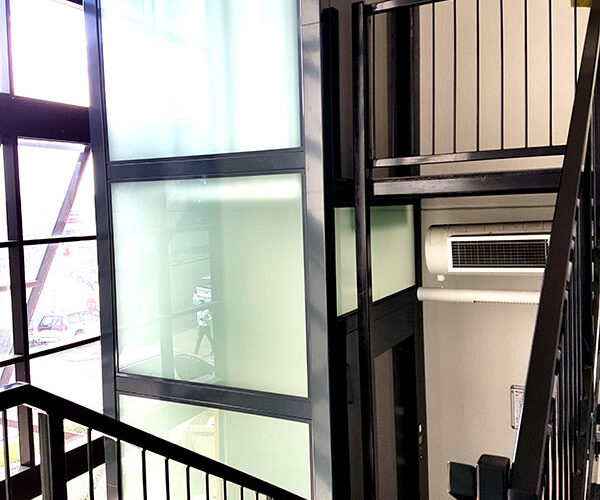
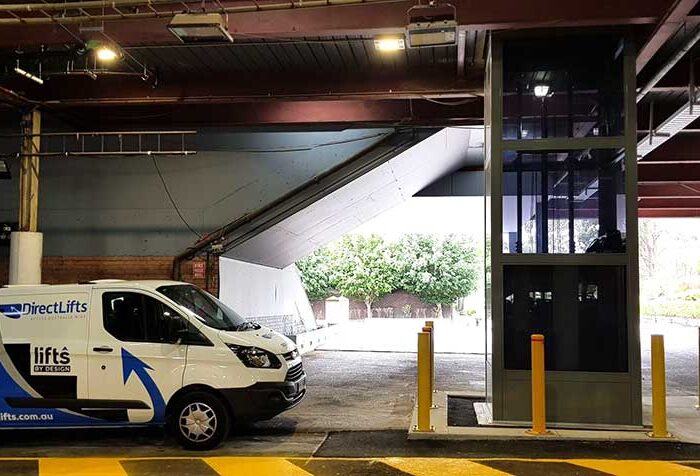
Throughout Australia, many businesses have adopted DDA compliant lifts in various settings, showcasing the versatility and functionality of these systems. For example, projects in prominent retail centers demonstrate how DDA lifts can seamlessly integrate into a busy commercial environment while ensuring that all customers have equal access. These installations not only comply with regulations but also enhance the overall aesthetic of the building, making them an attractive choice for architects and developers.
Next Steps: Starting Your Lift Project
Beginning a lift installation project can seem daunting, but taking it step by step can simplify the process. The first step typically involves an assessment of the site's accessibility requirements and identifying the best lift solution to meet these needs. Consulting with professionals who understand both the technical aspects and regulatory requirements is crucial in paving the way for a successful installation.