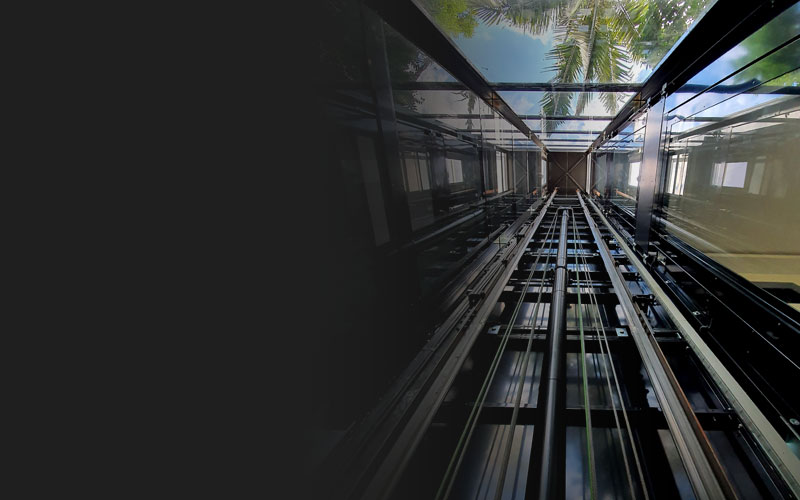
Innovative Lift Solutions for Accessibility
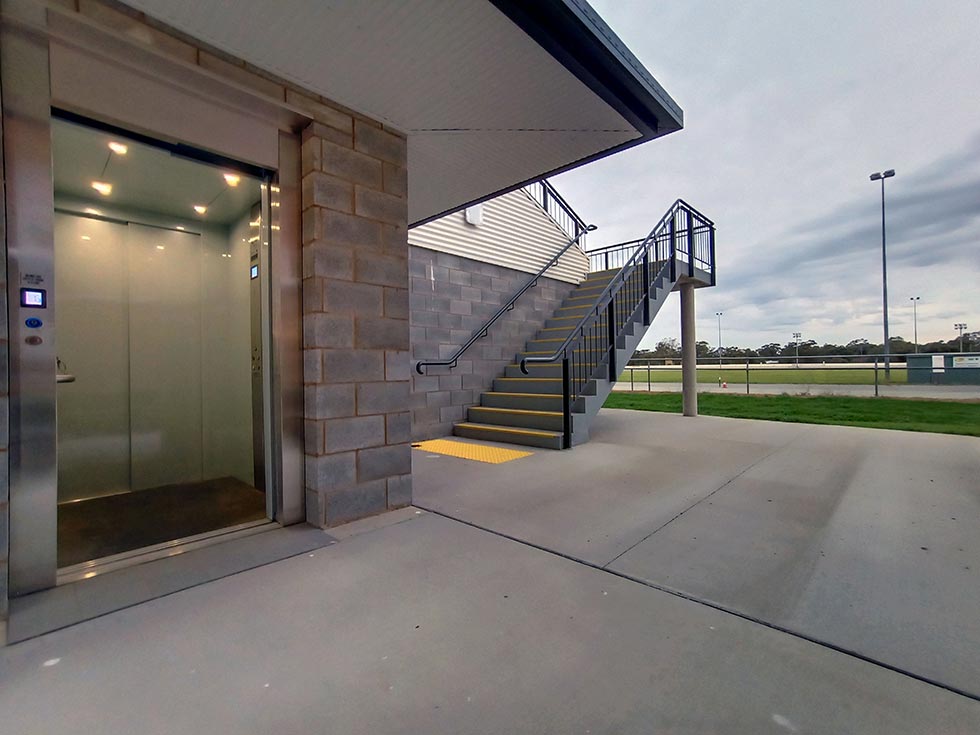
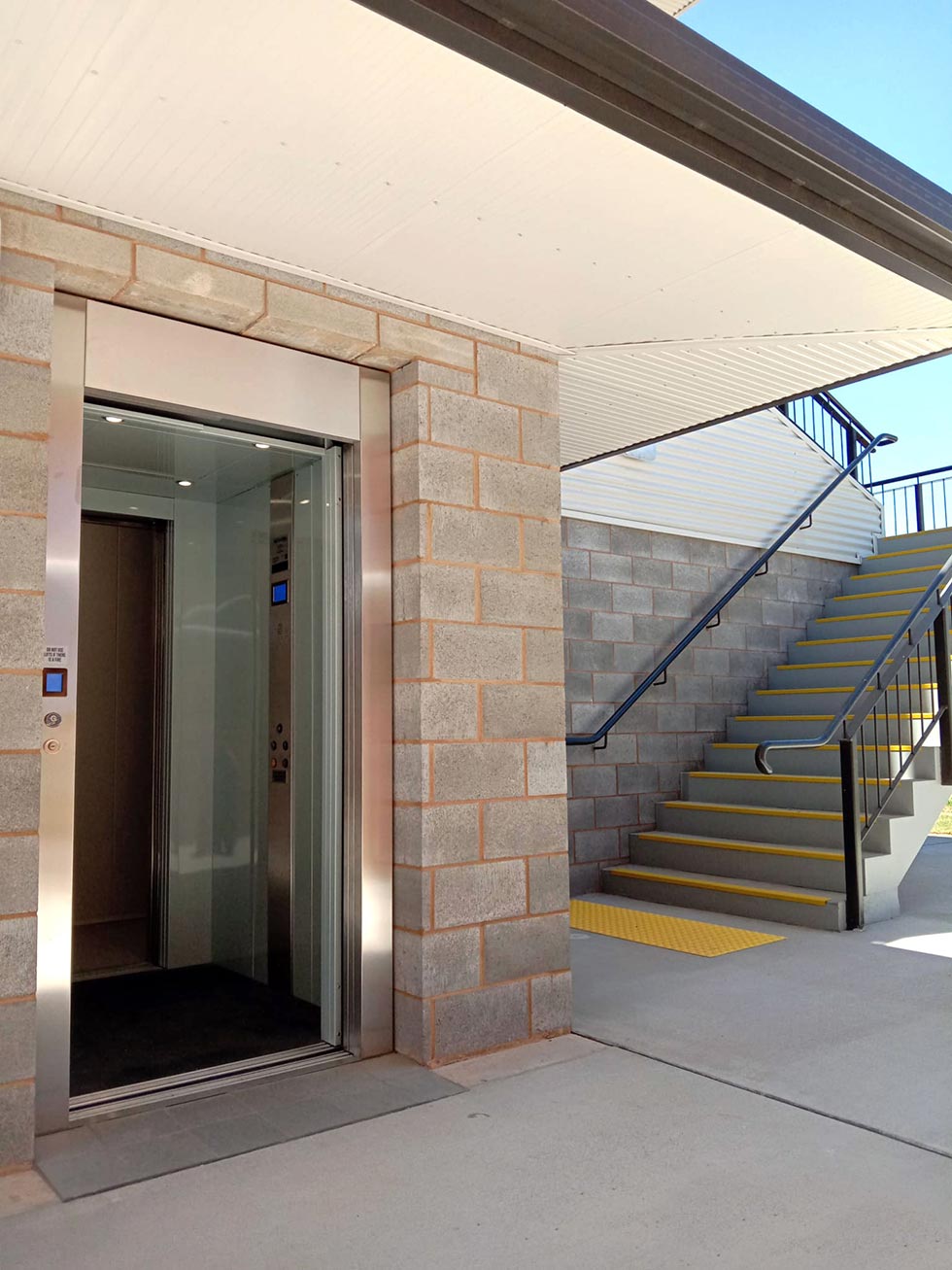
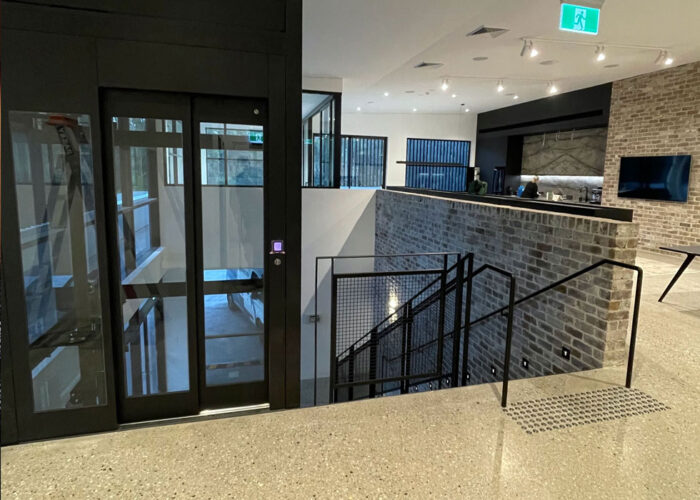
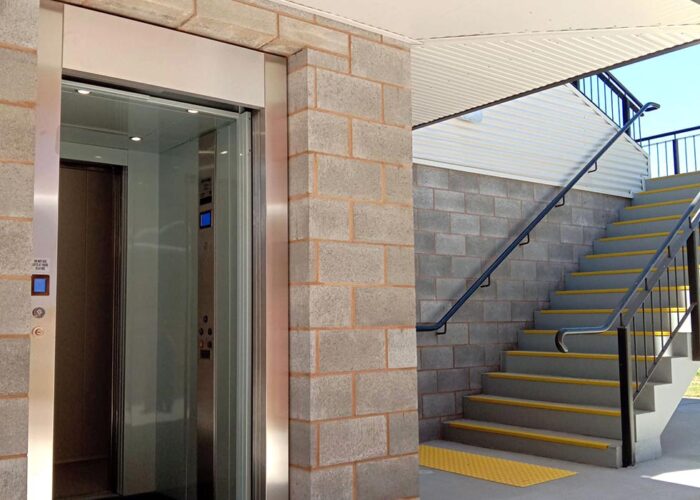
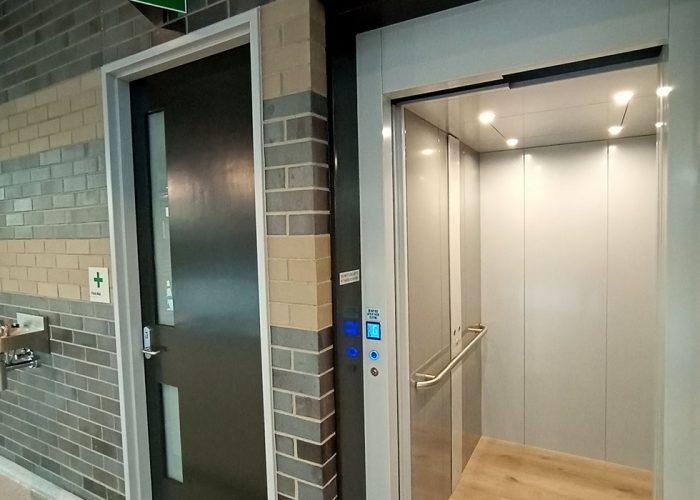
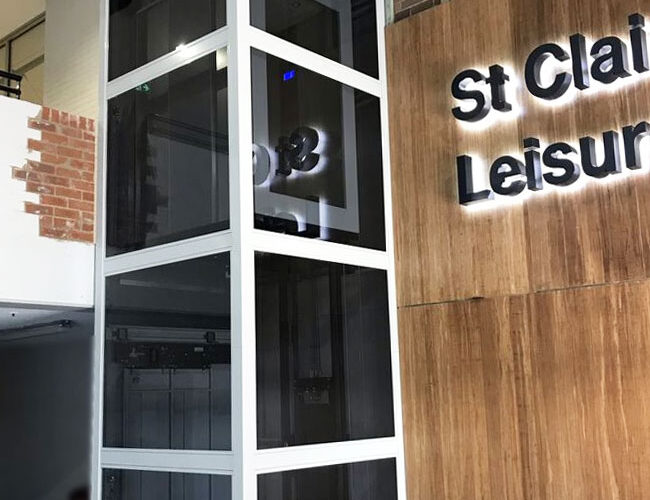
In recent years, innovative lift solutions have become essential for creating accessible environments, particularly in public spaces. These modern lifts not only provide efficient transportation for individuals with mobility challenges but also enhance the overall aesthetic of buildings. Incorporating features such as smooth operation, user-friendly controls, and safety mechanisms ensures that lifts cater to a diverse range of users including the elderly and those with disabilities.
Furthermore, the integration of technology in these lift solutions has significantly improved their performance and reliability. For instance, smart lifts equipped with sensors can optimize their routes, reducing wait times while enhancing energy efficiency. By embracing these advancements, facilities can create inclusive spaces that foster independence and mobility for all individuals.
Customizable Options for Diverse Needs
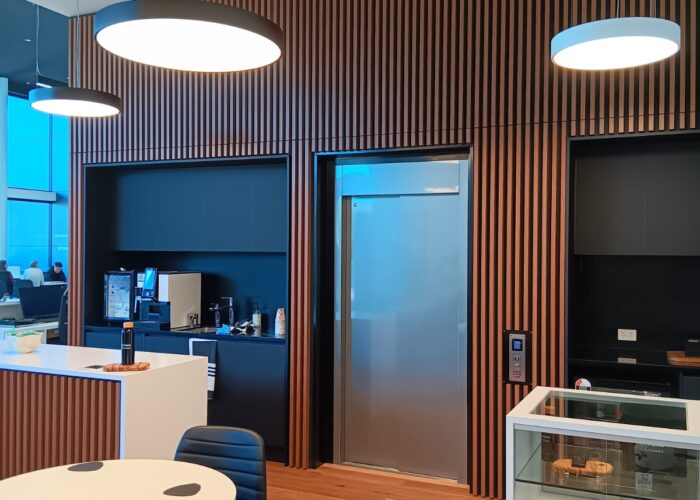
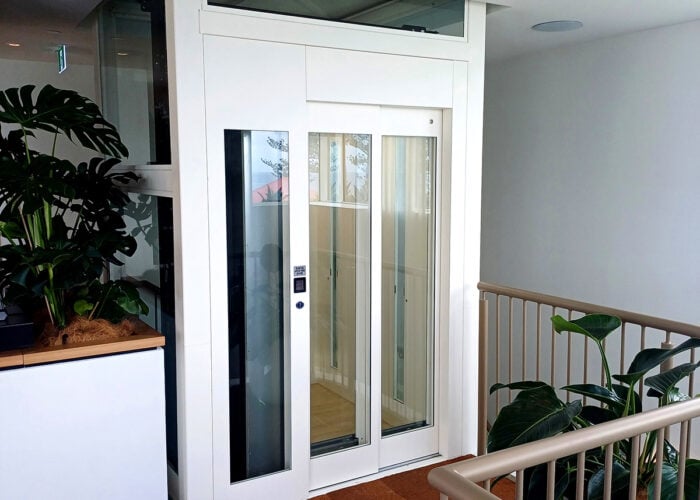
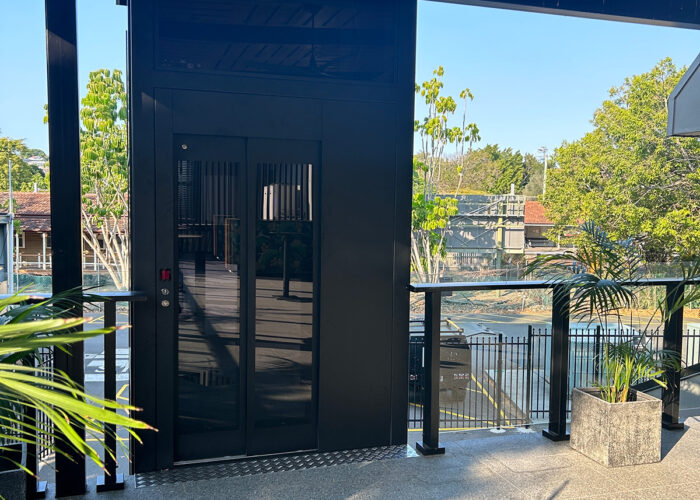
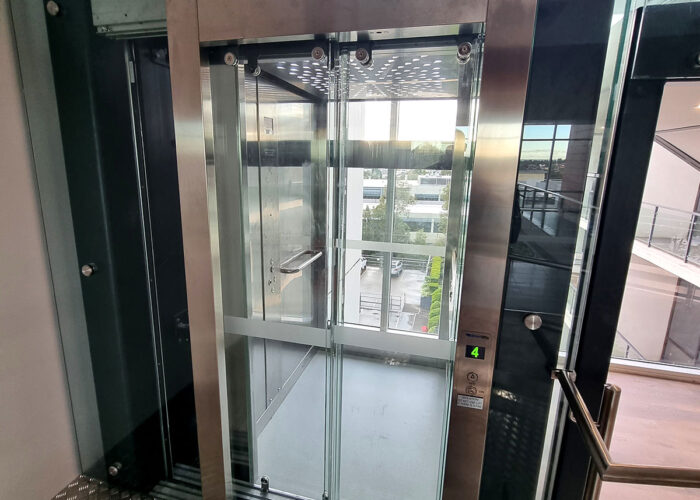
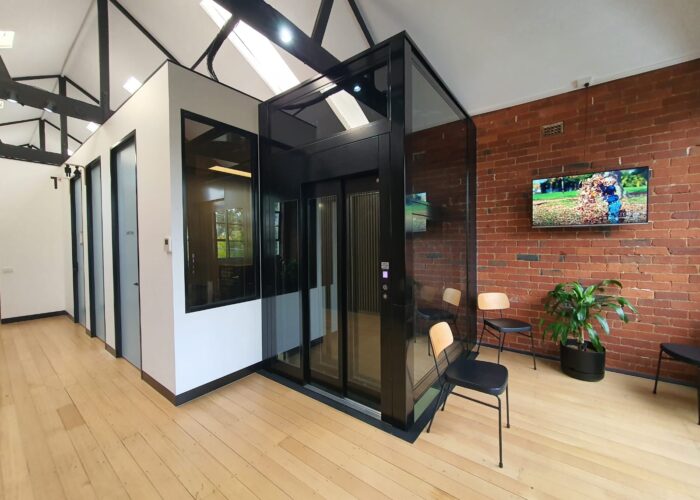
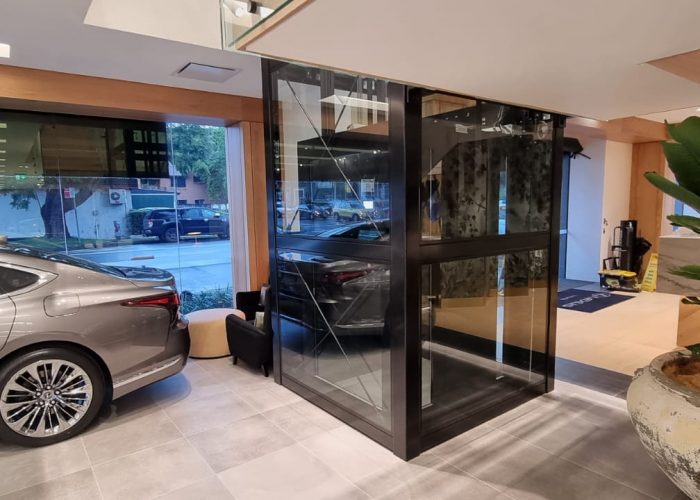
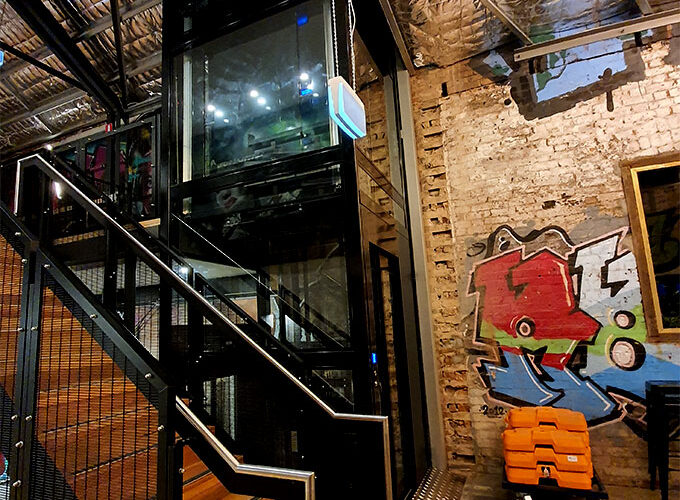
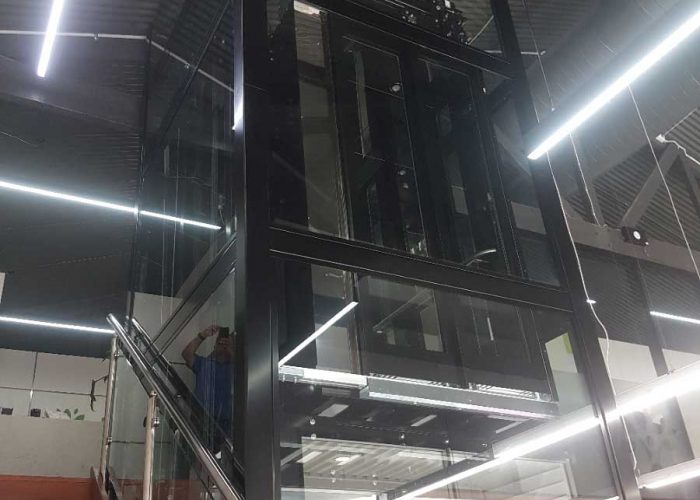
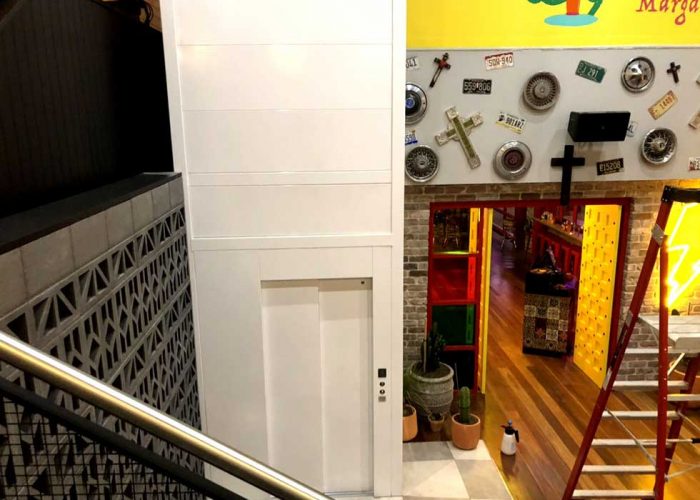
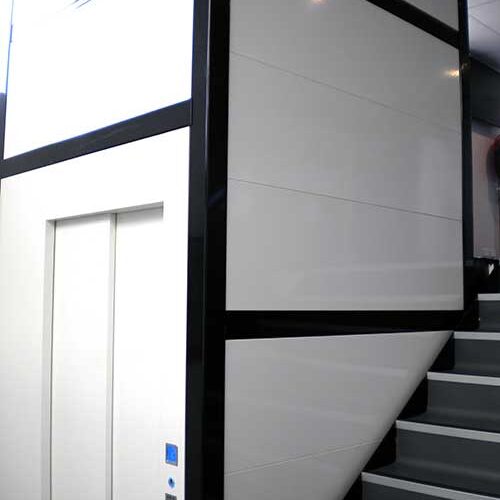
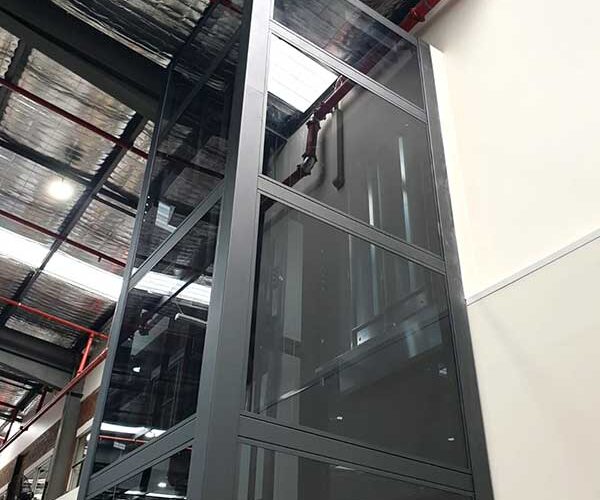
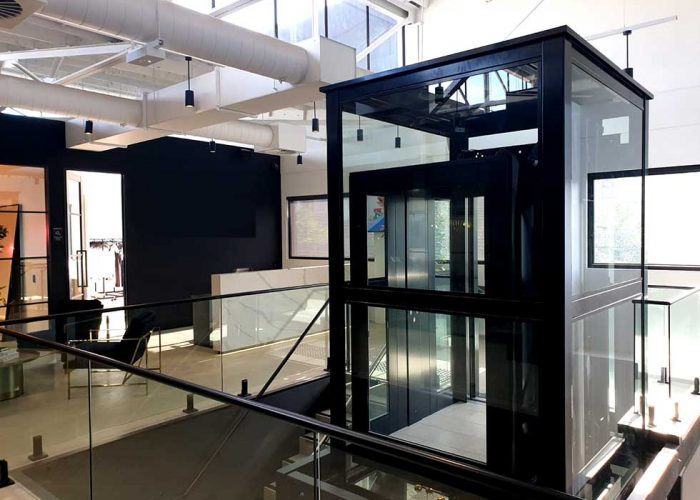
One of the key advantages of modern commercial lifts is the wide array of customizable options available to meet diverse client needs. From different sizes and weight capacities to unique exterior finishes, businesses can tailor their lift solutions to align with their branding and the specific requirements of their space. This flexibility allows for the creation of a cohesive design that enhances the building's functionality and appeal.
Additionally, features such as programmable controls and adaptable support systems ensure that lifts can cater to various user preferences and operational needs. With the ability to adjust settings for speed, lighting, and even sound, users have a personalized experience that promotes comfort and convenience. Such customization not only enhances usability but also reinforces the commitment to accessibility within commercial establishments.
Future Trends in Lift Technology
The landscape of lift technology is continuously evolving, reflecting broader trends in design, sustainability, and user-centered innovation. Emerging technologies such as machine learning and the Internet of Things (IoT) are paving the way for smarter, more efficient lift systems that can analyze usage patterns and optimize performance accordingly. As these technologies mature, we can expect significant enhancements in energy consumption and overall system reliability.
Moreover, a growing emphasis on sustainability is driving manufacturers to develop greener lift solutions. This includes the use of eco-friendly materials, energy-efficient motors, and regenerative drives that conserve energy during operation. As businesses and councils prioritize sustainability, the future of lift technology will be centered on solutions that not only serve functional needs but also contribute positively to environmental goals.